Blog / Service

Blog

All Service New Model Info News Kansas City Cadillac Dealer
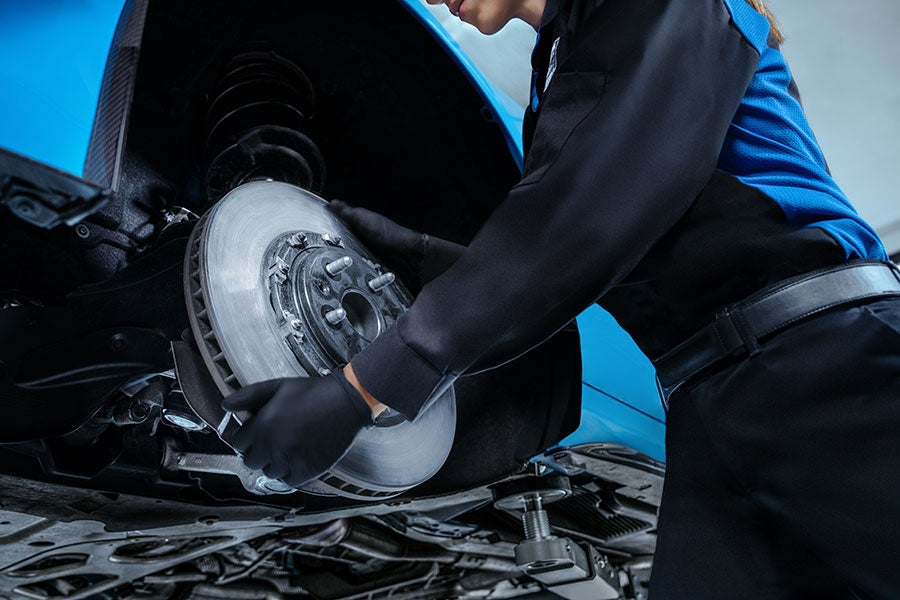
Brake Rotors being fixed on a blue cadillac

Cadillac OEM Brakes vs Aftermarket Brakes

When replacing your luxury vehicle's stopping components, comparing Cadillac OEM brakes vs aftermarket brakes helps you make the right choice for long term safety and performance. Original Equipment Manufacturer parts match the exact engineering standards set by General Motors, while third party alternatives rely on universal designs. Understanding the differences in materials, fitment, and noise control ensures your Cadillac continues to drive smoothly on every journey. What Are Cadillac OEM Brakes? Cadillac OEM brake components are manufactured directly by General Motors or certified suppliers like ACDelco. These brake pads and rotors are built to the exact specifications of your vehicle's model year and weight requirements. Choosing factory parts guarantees complete compatibility with your braking system and electronic safety features. Because OEM parts are designed specifically for your vehicle, they deliver maximum stopping power without unnecessary wear. Factory brake pads also feature specialized dampening shims to prevent squealing and reduce brake dust accumulation. This exact engineering keeps your wheels cleaner and preserves the quiet cabin environment expected from a luxury SUV or sedan. The Risks of Aftermarket Brake Parts Aftermarket brake parts are mass produced by third party brands to fit multiple vehicle makes and models simultaneously. To achieve lower retail prices, manufacturers often use generic friction compounds that do not meet factory standards. These compromises can lead to increased stopping distances, harsher pedal feel, and premature rotor wear. Generic brake pads may also create annoying noises and excessive vibration during ordinary stopping conditions. In addition, installing non-certified components can sometimes complicate existing vehicle warranty coverage. Choosing third party parts often leads to frequent replacements that outweigh any initial cost savings. Differences in Performance and Safety Factory brake components undergo rigorous testing under extreme conditions to guarantee reliable operation. Evaluating how genuine GM components compare to generic alternatives helps highlight the benefits of factory service. Fitment and Design OEM brakes offer exact vehicle alignment, while aftermarket options rely on broad fitment profiles. Friction Materials Factory pads use high grade ceramic or semi-metallic formulations suited to your specific Cadillac model. Warranty Coverage Genuine GM parts include dedicated manufacturer warranty protection backed by certified dealerships. Noise and Dust Control OEM pads feature engineered shims and low-dust materials to maintain quiet operation. Professional Brake Service in Kansas City Installing genuine brake parts requires proper tools and technical knowledge to ensure full operating safety. Certified technicians at Cable Dahmer Cadillac of Kansas City follow factory guidelines to perform precise brake pad and rotor replacements. Our team inspects your entire braking assembly to identify wear before it turns into a major repair. Regular brake inspections protect your safety and maintain the refined handling of your vehicle. Whether you notice pedal pulsation, squeaking, or reduced response, our service center provides expert care tailored to your needs. We use specialized diagnostic equipment to restore original braking performance promptly. Schedule Your Cadillac Brake Service Today Protect your vehicle's stopping power by choosing genuine factory components installed by certified professionals. Schedule your brake service appointment online with Cable Dahmer Cadillac of Kansas City today. Schedule Service Order Parts
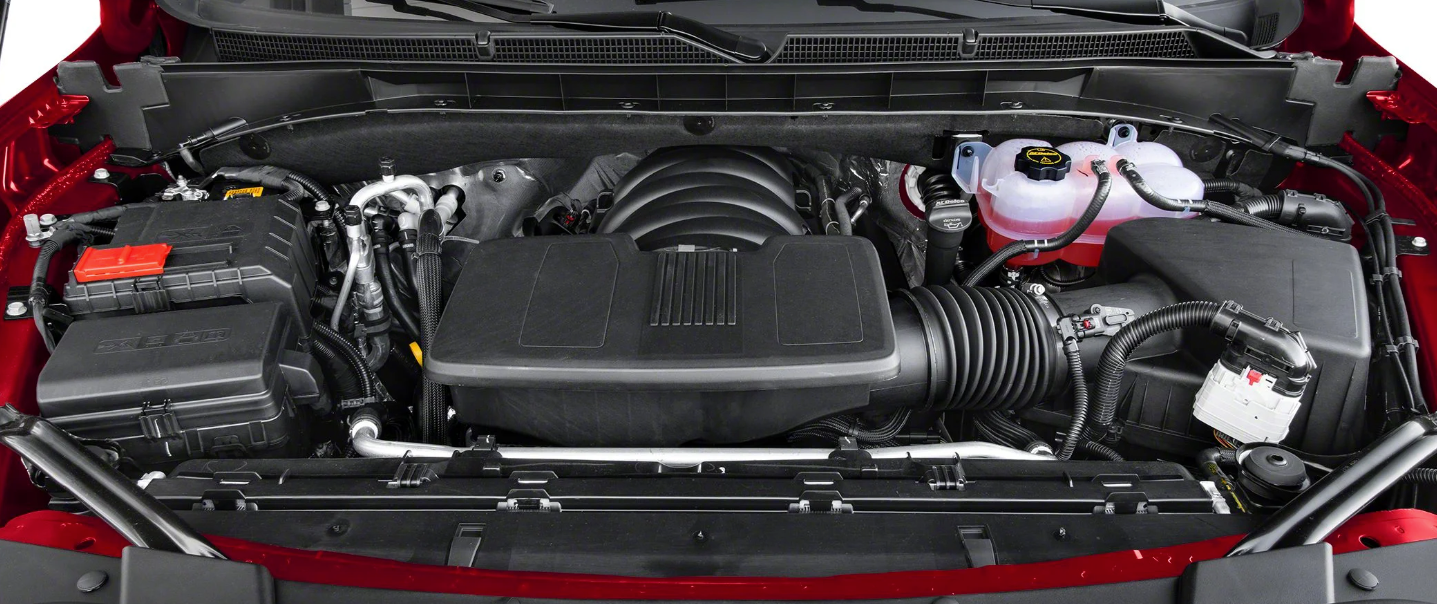
engine

What Are the Signs of Low Transmission Fluid in My Cadillac?

Identifying the warning signs of low Cadillac transmission fluid can save you from extensive powertrain repairs. When fluid levels drop, you might notice your vehicle struggling to shift gears smoothly or hesitating during acceleration. Catching these symptoms early is the best way to maintain your luxury vehicle's performance on Kansas City roads. We have compiled a comprehensive list of the most common indicators that your vehicle requires professional attention. Schedule Transmission Service Common Warning Signs of Low Fluid Your transmission relies on proper fluid levels to lubricate moving parts and effectively regulate internal temperatures. When the fluid levels drop, your vehicle will display several clear warning signs that require immediate evaluation. Hesitation Struggling or refusing to engage when shifting into Drive or Reverse. Slipping Gears The transmission slips out of gear while driving, causing a sudden spike in engine RPMs. Unusual Noises Grinding, whining, or humming sounds coming from the drivetrain as unlubricated metal components generate friction. Burning Smells A distinct burning or unusually sweet odor coming from under the hood caused by overheating fluid. Dashboard Warnings The check engine light or a specific transmission warning text illuminating on your digital display. Visible Leaks Bright red or dark brown fluid pooling on your driveway, indicating an active hydraulic leak. The Impact of Ignoring Drivetrain Fluid Loss Operating your luxury vehicle with an insufficient amount of transmission fluid causes immediate internal damage. Without adequate lubrication, heavy metal components grind together and generate excessive friction. This heat buildup can warp delicate internal structures, destroy rubber seals, and can cause severe internal damages. Addressing fluid loss promptly is far more economical than undergoing a complete transmission replacement. Our Certified Technicians Inspect Transmission Levels When you bring your vehicle to our facility, our certified technicians perform a meticulous diagnostic routine. We check the fluid level, verify the color, and test the overall condition of the fluid to ensure it has not degraded. Our team also pressure-tests the cooling lines and checks all gaskets to identify the exact origin of any fluid loss. This comprehensive check ensures your luxury vehicle is returned to factory specifications. Trust Cable Dahmer Cadillac of Kansas City for Transmission Services The factory-trained technicians at Cable Dahmer Cadillac of Kansas City are fully equipped to diagnose and repair intricate luxury drivetrain systems. We will inspect your vehicle, replenish your fluid with manufacturer-approved formulas, and ensure your powertrain is operating correctly. Reach out to our service department today to book your preventative maintenance or repair. Schedule Service

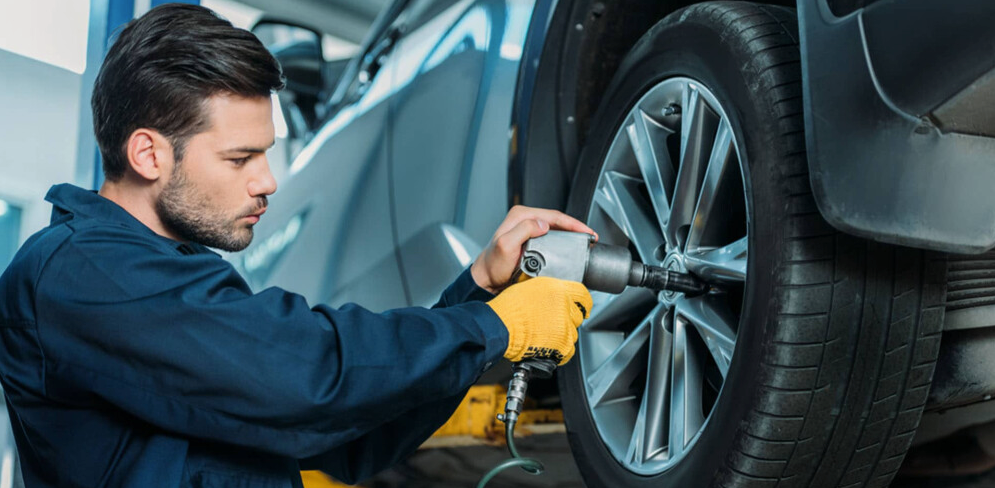
changing tires

When is it Time to Change Your Tires

Knowing exactly when to replace your tires is essential for maintaining the safety, handling, and fuel efficiency of your vehicle. Drivers must navigate changing seasonal weather, which places extra demands on tires throughout the year. Routine checks and scheduling regular maintenance can help you identify wear before it compromises your safety on the road. Visual Indicators of Tire Wear Many modern tires feature built-in indicator bars that sit deep inside the tread grooves. As the tire wears down, these solid rubber bars become flush with the outer tread blocks. Seeing these bars level with your tread means the tire has reached its legal wear limit. You should also look for signs of physical damage on the sidewall and tread surface. Look closely for small cracks, deep cuts, or unusual bulges that indicate internal structural failure. If you spot any of these defects, you need an immediate replacement to avoid a dangerous blowout. Key Factors Affecting Tire Longevity Several external variables dictate how quickly your tires will wear out during daily use. Keeping these details in mind can help you maximize the lifespan of your next set of rubber. The primary elements influencing tire degradation include: Proper inflation pressure matching manufacturer specifications Regular tire rotation every five thousand to seven thousand miles Correct wheel alignment to prevent uneven edge wear Driving habits such as hard braking and rapid acceleration Tracking Tire Life by Age Tread depth is not the only factor that determines whether you need a new set of tires. The chemical compounds in rubber naturally break down over time due to environmental factors and temperature changes. Even if a vehicle sits in a garage, the structural integrity of the rubber will gradually decline. Age Limits to Know Most automotive experts and tire manufacturers recommend replacing tires every six years. Tires should never be driven past ten years of age regardless of how much tread remains. You can verify the age of your tires by checking the Department of Transportation timestamp printed on the sidewall. Combining Tire Rotations with Oil Changes To maximize the lifespan of your tires and delay replacement, regular tire rotations are highly recommended. A great way to stay on top of this maintenance is to schedule a tire rotation with every oil change. Since your vehicle is already on the service lift, combining these tasks saves time and ensures consistent care. Rotating your tires every five thousand to seven thousand miles promotes even tread wear across all four wheels. Front tires typically wear out faster because they handle the steering forces and the weight of the engine. Regular rotations balance this wear, which extends the overall life of your tire set. Real-World Performance Signs Sometimes your vehicle will communicate tire issues through physical feedback while you drive. Excessive vibration in the steering wheel or through the vehicle floor often indicates uneven tire wear or internal damage. If your car slips when accelerating on wet pavement, your tires are failing to grip properly. A sudden drop in fuel efficiency can also point toward a tire problem. When tires lose their proper shape or wear unevenly, rolling resistance increases and forces your engine to work harder. Installing a fresh set resolves these performance issues and restores your smooth ride quality. Tire Condition and Safety Guide Tire Condition Driving Safety Impact Recommended Action Flush Wear Bars Severe loss of wet traction Replace immediately Sidewall Bulges High risk of sudden blowout Replace immediately Under 4/32 Inch Tread Increased stopping distances Schedule replacement soon Over 6 Years Old Rubber dry rot and degradation Inspect or replace Schedule Your Tire Change at Cable Dahmer Cadillac of Kansas City Our factory-trained technicians can quickly assess the condition of your current tires. We offer a comprehensive inventory of premium tire brands designed specifically for your vehicle requirements. Schedule a service appointment online today to keep your luxury vehicle performing at its best. Schedule Service

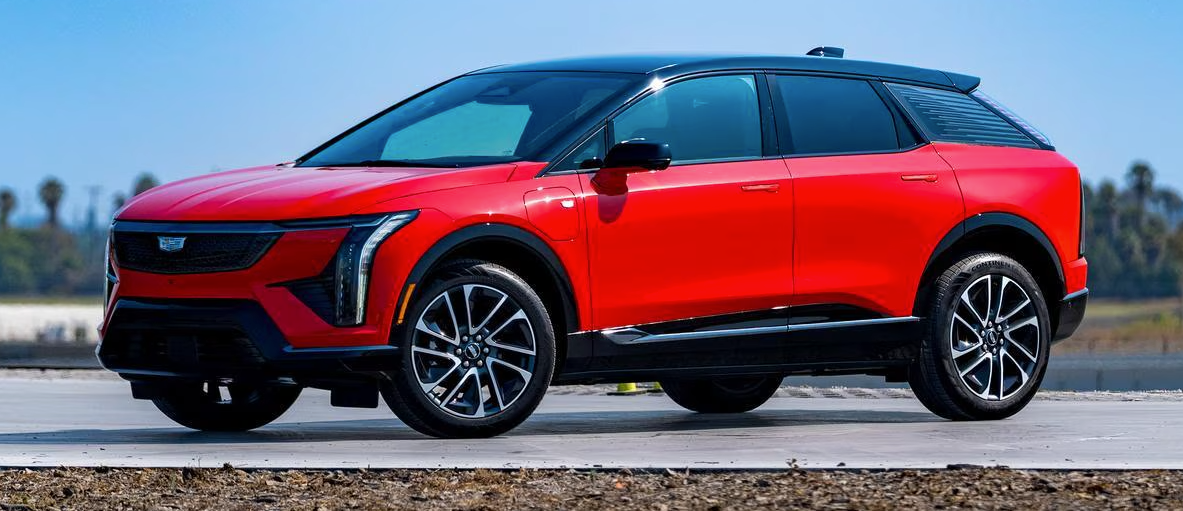
2026 Cadillac OPTIQ

The Basics of Cadillac EV Maintenance in Kansas City

Transitioning to an electric vehicle brings a quiet driving experience and a significantly simplified maintenance routine. Because models like the Cadillac LYRIQ, OPTIQ, and Escalade IQ eliminate the traditional maintenance required for a gas engine, you no longer have to worry about oil changes, spark plugs, or fuel filters. However, electric vehicles still require service and maintenance to keep them running in good condition. We’ll cover some of the essential maintenance items you can expect when purchasing an EV. Our team at Cable Dahmer Cadillac of Kansas City is here to help. Reach out to us with any questions you may have. Tire Rotations and Alignment Tires are the single most important maintenance item on an electric vehicle. Electric cars are inherently heavier than standard gas vehicles due to the high-voltage battery pack, and they deliver instant torque to the wheels. This combination places extra stress on the rubber, which can lead to rapid or uneven tread wear if ignored. To protect your tires and maintain maximum driving efficiency, Cadillac recommends a tire rotation every 7,500 miles. Regular wheel alignments are also essential to prevent your vehicle from pulling and to ensure the tires contact the road perfectly, which maximizes your battery range. Software Updates and Electronics Modern luxury electric vehicles function much like rolling computers. Software regulates your vehicle battery efficiency, charging speeds, thermal controls, and advanced driving features. Keeping these electronic systems up to date is a core element of routine EV care. Many optimizations are pushed to your car through over-the-air software updates. However, during your regular 7,500-mile shop visits, our certified technicians run specialized diagnostic checks. This process ensures your battery management system is operating flawlessly and that all safety sensors remain precisely calibrated. Brake Systems and Regenerative Braking Cadillac EVs utilize advanced regenerative braking, a system that captures kinetic energy during deceleration and sends it back into the battery pack. Because this electric system handles a large portion of the stopping power, your physical brake pads and rotors experience far less wear and tear than they would on a gas-powered car. Despite the reduced mechanical wear, your traditional friction brakes still require routine oversight. Brake fluid naturally absorbs moisture from the air over time, which can degrade stopping power and cause internal corrosion. Cadillac recommends a comprehensive brake inspection alongside a hydraulic brake fluid flush every 5 years to keep the system safe and responsive. Essential Fluids and Cabin Filters While you can permanently say goodbye to engine oil, an electric vehicle still relies on a few essential fluids and filters to function correctly. The most critical is the liquid-cooling system, which manages the temperature of the high-voltage battery pack and electric drive motors. Technicians check these thermal management coolant levels during routine inspections, though a full system flush is generally a long-term service required around 150,000 miles. Additionally, your vehicle relies on a cabin air filter to keep dust, pollen, and pollutants out of the luxury cabin. To maintain fresh airflow and ensure your climate control system functions efficiently, this filter should be replaced every 22,500 miles or roughly every 2 years. Certified and Professionally Trained EV Technicians Our state-of-the-art service center is staffed by factory-trained and certified service experts who specialize in advanced electric vehicle platforms. These professionals understand the precise technical demands of high-voltage systems and use specialized diagnostic tools to monitor battery health and electronic control modules. By trusting our certified technicians, you can move forward with confidence knowing your vehicle is being handled according to strict factory safety and quality standards. We use genuine GM parts and approved components to ensure perfect compatibility and reliability for your vehicle. Ultimate Convenience with Cable Dahmer Connect We believe that maintaining your luxury vehicle should fit seamlessly into your schedule. That is why we offer Cable Dahmer Connect, a complimentary concierge service designed to save you time and eliminate the need to visit the dealership for your maintenance needs. Through this program, our team will pick up your electric vehicle from your home or workplace within our service area at no extra cost. Our certified experts will complete all necessary EV maintenance at our service center and return your vehicle directly to you when the work is finished. You can experience elite dealership service without ever disrupting your busy day. Schedule Your Cadillac EV Service Today Keep your electric vehicle operating at its absolute best with certified care from our local service center. Contact our service department or use our online tool to schedule your next maintenance appointment through Cable Dahmer Connect. Schedule Service

Contact Us

Fill out this form below and we'll contact you shortly
*Required Fields
Give Us A Call!