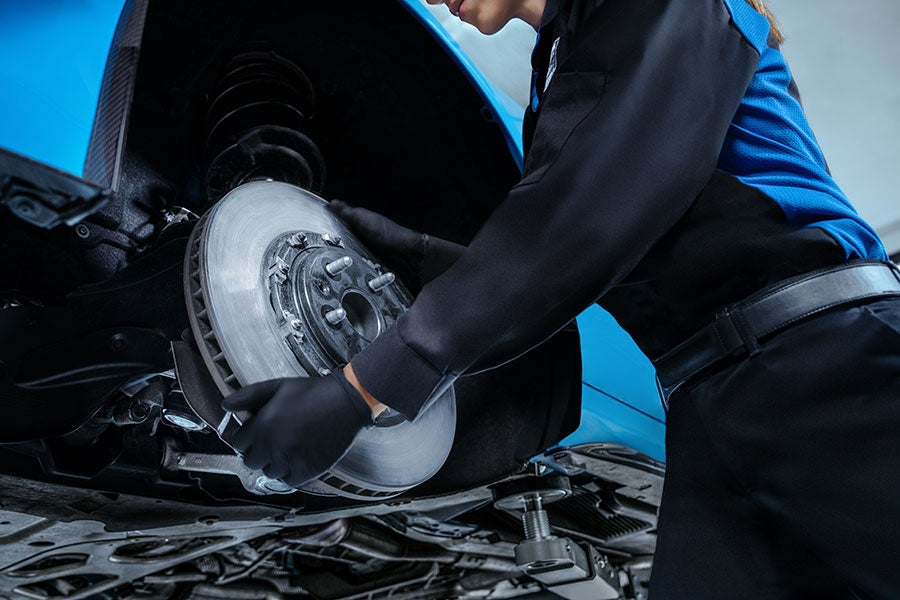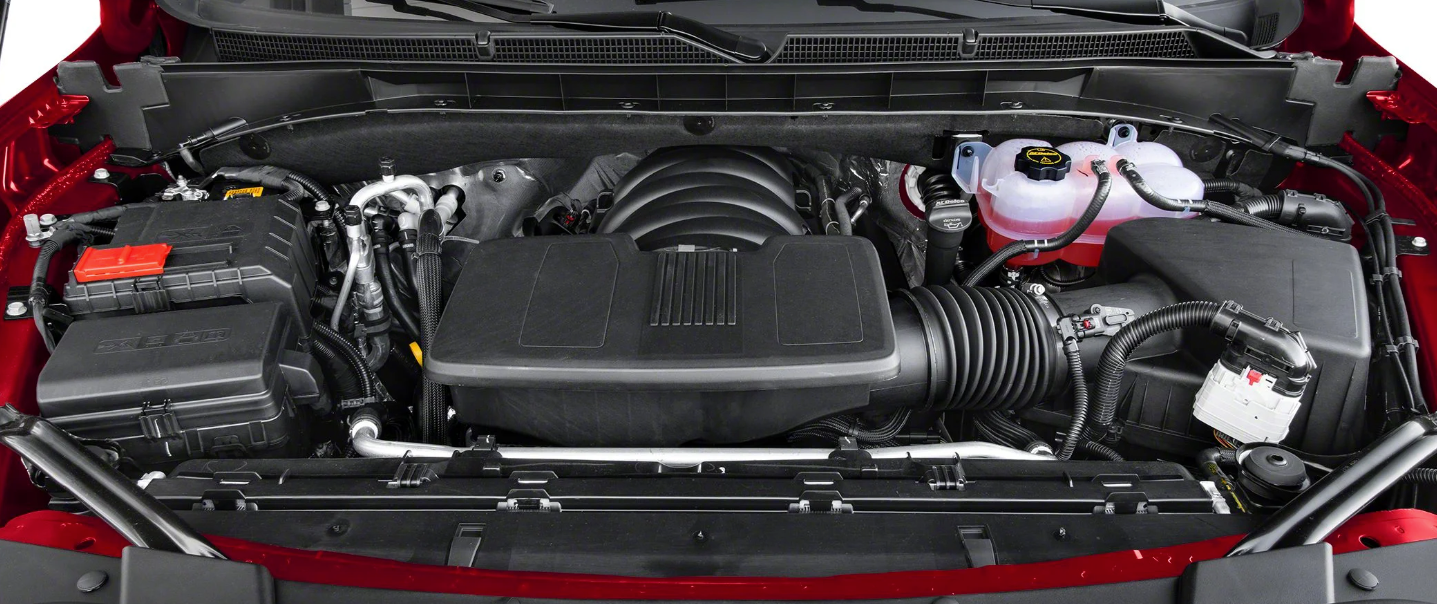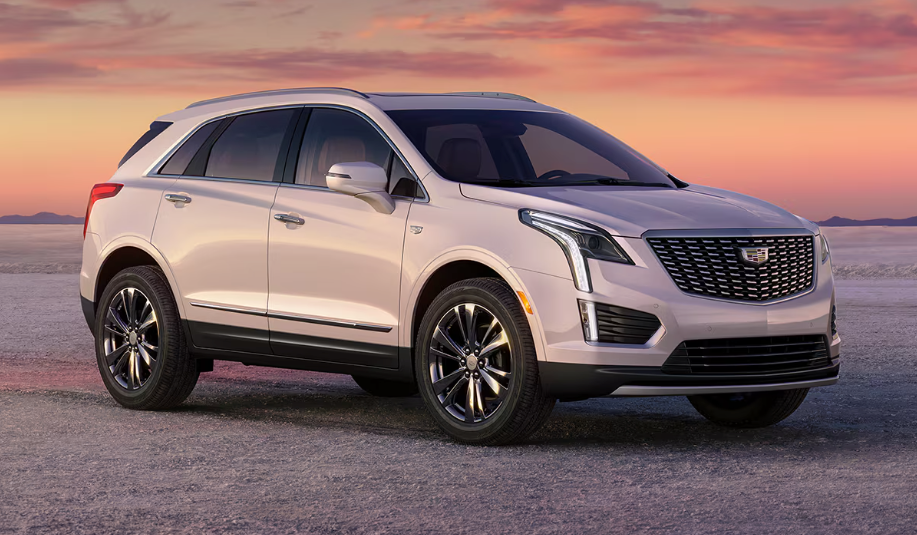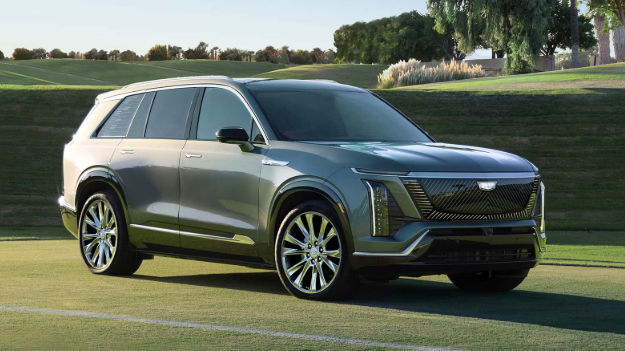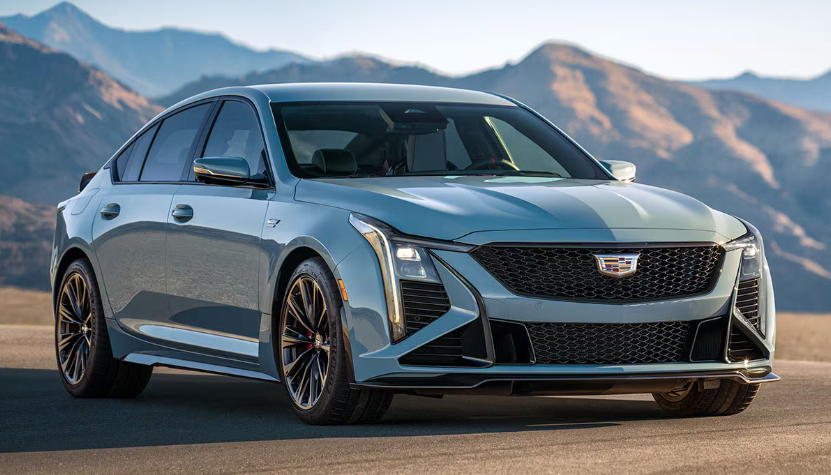


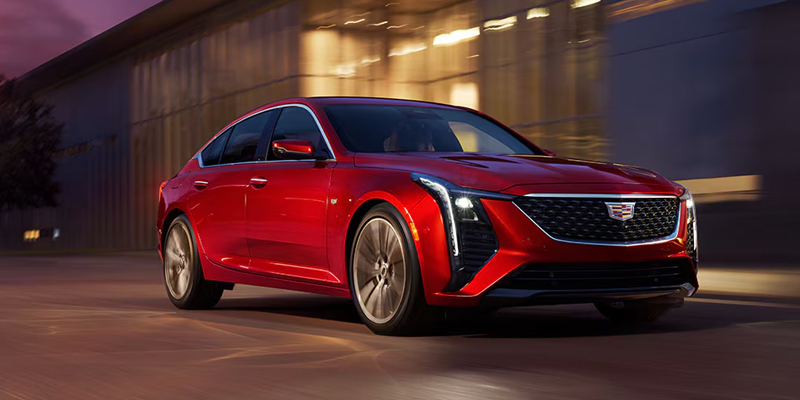
Taking a vehicle out on the road is one of the most critical steps in buying a car. A thorough test drive allows you to evaluate comfort, performance, and daily usability beyond simple visual appeal. Knowing what to check before and during your drive ensures the vehicle truly fits your routine and driving habits. Shop New Shop Used Static & Pre-Drive Exterior Inspection Before you put the vehicle in drive, spend a few minutes examining the outside of the vehicle and setting up the cabin. Exterior Condition: Walk around the vehicle to inspect body panels, paint finish, and light fixtures. Check the tires for even tread wear, which indicates proper alignment and suspension health. Driver Seating & Controls: Sit inside and adjust the driver seat, steering wheel, and side mirrors. Ensure you have proper headroom and legroom for long commutes around Kansas City. Confirm all primary controls are within easy reach. Outward Visibility: Check your sightlines through the windshield, side mirrors, and rear window. Identify any potential blind spots so you know how well the cabin layout supports safe driving. On-the-Road Performance & Handling Once you start driving, pay close attention to how the vehicle accelerates, steers, and stops across different road conditions. Acceleration & Shifting Drive on both quiet neighborhood streets and open highways. Pay attention to how smoothly the transmission shifts and whether the engine offers responsive power when merging or passing. Brake Response Press the brake pedal with light and firm pressure. Stopping action should feel smooth and predictable, without squeaking, pulling to one side, or pedal vibration. Ride Quality & Steering Take a few turns and drive over rougher pavement. A balanced suspension absorbs bumps comfortably while keeping the vehicle stable around corners. In-Cabin Technology & Daily Usability Modern vehicles feature sophisticated driver assistance and infotainment systems that require hands-on testing during your drive. Infotainment & Connectivity: Pair your smartphone via Bluetooth, Apple CarPlay, or Android Auto. Make sure the touchscreen is intuitive to navigate and responds quickly to commands. Safety & Driver Assist Features: Test active safety equipment like blind spot monitoring, lane keeping assist, and backup camera resolution. These tools should provide clear feedback without feeling distracting. Cabin Quietness: Pay attention to wind and road noise at highway speeds. A quiet cabin makes daily driving far more enjoyable and relaxed. Practicality & Passenger Space Do not forget to test how well the vehicle handles your daily cargo and passenger needs. Rear Seat Comfort Sit in the back seats to check legroom, knee room, and headroom for adult passengers. Cargo Space Open the trunk or rear liftgate to measure storage depth. Confirm there is enough room for groceries, luggage, or recreation gear. Schedule Your Next Test Drive in Kansas City Taking the time to evaluate these key areas gives you total confidence in your choice. Paying attention to cabin setup, road handling, and cabin features guarantees that your next vehicle fits your lifestyle seamlessly. When you are ready to take the next step, Cable Dahmer Cadillac of Kansas City is here to assist you. Contact our team today or schedule your test drive online to explore our selection in person. Schedule a Test Drive
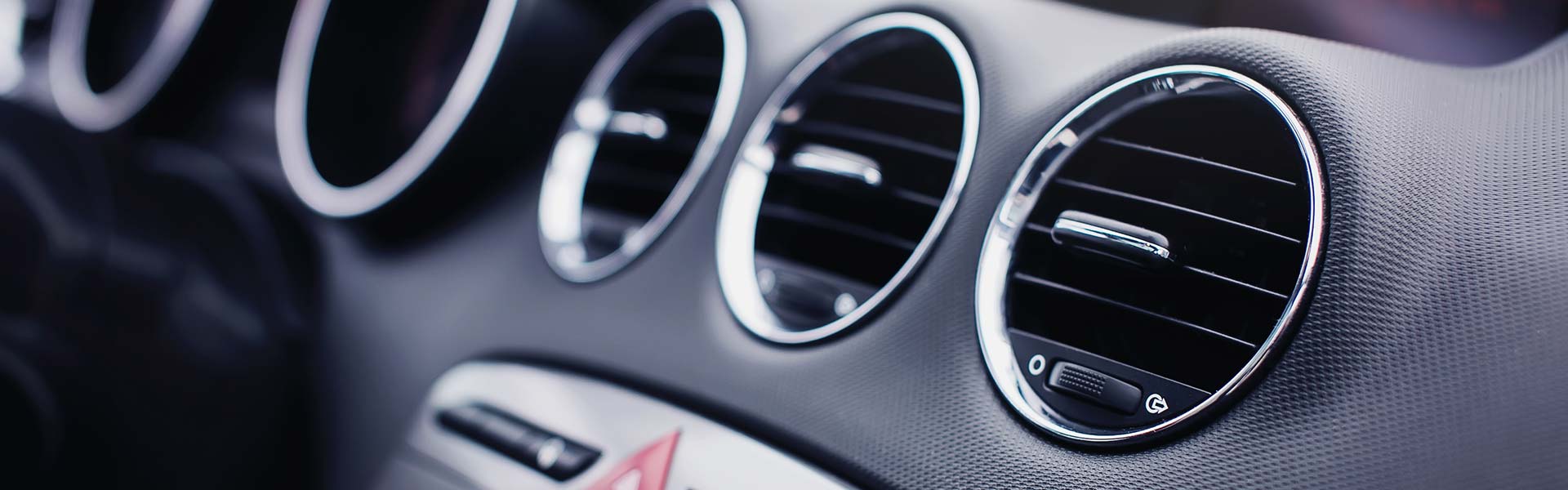
Does Blasting Your A/C Burn Gas?
Running your vehicle's air conditioner does burn gas, but the overall impact on your fuel economy depends on how and where you drive. The air conditioning system relies on an engine-driven compressor, which requires extra energy to function. Understanding how your air conditioner consumes fuel helps you balance personal comfort with efficiency on the road. At Cable Dahmer Cadillac of Kansas City, we want to help drivers get the best efficiency out of every drive. Schedule Service How Your Vehicle Air Conditioner Affects Fuel Consumption Your car's air conditioning system draws mechanical power directly from the engine to operate the A/C compressor. When you switch the system on, the engine works harder to supply that extra power to cool the cabin. Blasting the A/C on its coldest setting forces the compressor to run continuously, which places a heavier load on the engine. This increased effort causes your vehicle to consume more fuel, especially during hot summer days when cabin temperatures are extreme. Air Conditioning Vs Driving with Windows Down Many drivers wonder whether rolling down the windows is a better choice for saving fuel than turning on the air conditioner. The most fuel-efficient option actually depends on your driving speed. Around Town: Windows Down At lower speeds around town, open windows create very little aerodynamic drag on your vehicle. Turning off the A/C and rolling down the windows is generally more fuel-efficient when navigating city traffic. On the Highway: A/C On At higher speeds on the highway, open windows create substantial aerodynamic drag that forces the engine to work much harder. Running your air conditioner at highway speeds is typically more fuel-efficient than driving with the windows down. Smart Habits for Efficient Cabin Cooling You can keep your cabin comfortable without significantly reducing your fuel efficiency. Implementing a few small habits reduces the overall workload on your air conditioning system. Start by opening your windows for the first minute of driving to let trapped hot air escape before turning on the A/C. Once the cabin cools down, switch to recirculation mode so the system cools air already inside the vehicle instead of pulling in hot air from outside. Parking in shaded areas or using a windshield sunshade also helps keep initial cabin temperatures much lower. Maintain Your A/C System for Peak Efficiency Regular maintenance keeps your air conditioner operating smoothly and prevents unnecessary strain on your engine. A dirty cabin air filter or low refrigerant level forces the cooling system to work harder than required. If your air conditioning takes longer than usual to cool your vehicle, our certified technicians can inspect and service your system. Schedule a service appointment at Cable Dahmer Cadillac of Kansas City to keep your vehicle performing efficiently. Schedule Service