Blog

Everything You Need to Know About Winterizing Your Car

Inspection

The winter months are hard on cars. Cold temperatures, dirt, and road-salt residue can all cause a wide variety of issues ranging from cosmetic to functional. Winterizing your car is a great way to protect it against many of these, provided you go about it the right way.

Why Is Winterizing Your Car Important?

There are several reasons to winterize your car. One is that it can prevent damage that results from cold-weather exposure. Road-salt runoff can cause corrosion in the engine bay, as well as under the chassis-which means that any exposed metal parts are subject to rust and pitting. In addition, if your vehicle isn't driven as often it can suffer from reduced lubrication which, over time, can cause damage to the engine.

Similarly, low temperatures make for challenging operating conditions. When the temperature drops, the engine could have issues starting up as cold-start conditions limit your car's ability to vaporize the fuel. On top of this, icy roads and reduced visibility dramatically increase the likelihood of accidents without proper preparation.

How To Winterize Your Car

Winterizing is a general term that describes the process of getting a car ready for the cold, winter months. With that being said, the process isn't one-size-fits-all. How you go about winterizing your car will depend on the kind of vehicle you drive, how old it is, and where you live. Still, there are a few common practices that have a huge impact on safety and damage reduction during the winter months:

Installing Winter Wipers

Winter wipers are essential for removing the mud and salt from your car's windshield. They're usually larger, more durable, and able to remove ice from your windshield in seconds.

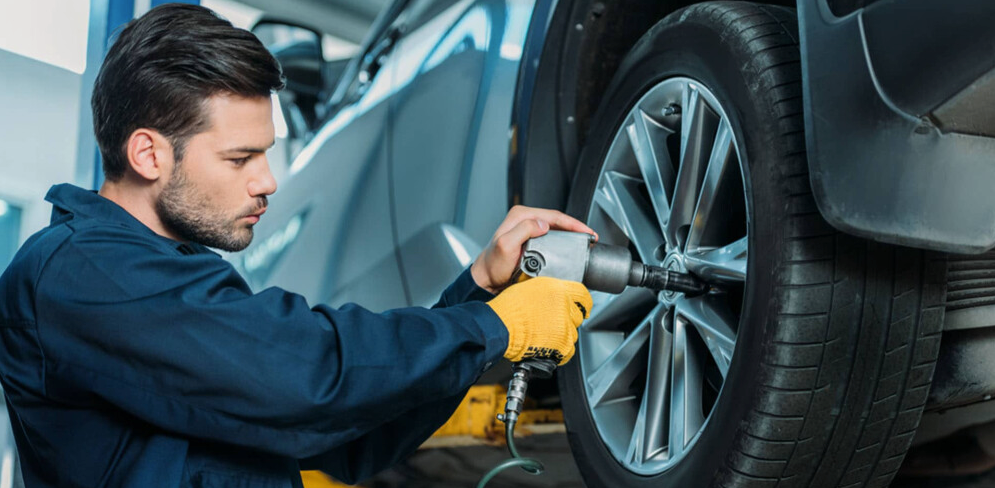
Installing Winter Tires

When winter weather hits, it's sometimes hard to tell if roads have been salted or not. Driving on a bare road is a lot safer than driving a road that has a layer of snow or ice visible on top of it. Installing winter tires keeps you safe by providing better traction on slippery surfaces than all-season tires would provide. In case you're not convinced, a Canadian study recently found that universal adoption of winter tires reduces winter traffic accidents by 5%.

Getting Your Fluids Checked and Filled

Cold weather makes for challenging conditions under the hood of your car, so it's important to check and fill your fluids before the winter weather hits. One common winter-time fluid issue is leakage. If you see signs of leakage on the ground underneath your car, that means that your coolant (usually green or orange in color) has frozen solid thanks to temperature deprivation. Similarly, oil can become thicker in cold-weather months lose some of its lubricating ability if not changed beforehand. It's important to address these issues before they become major problems.

Checking and Replacing Your Battery

Most batteries for cars simply aren't designed to handle the cold. That means that without pre-winter maintenance, your car could die at the moment when you least expect it.

You can check and replace your battery yourself if you have the tools and knowledge required. Otherwise, take it to your local auto shop and let them do it for you so you don't damage anything.

Investing In an Emergency Kit

An emergency kit for your car can make all the difference when you get stranded. This should include at least one full-size spare tire, a handful of ice scrapers, fluid containers (including windshield washer fluid), jumper cables, and a flashlight with batteries.

Winterizing Your Car Is Important for Preventing Damage

There are several reasons why it's important to invest in winterizing your car. Primarily, it helps prevent damage from the cold weather that most drivers deal with during the winter months. By investing in a few supplies and doing regular maintenance, you're reducing the chances of costly – or downright dangerous – issues popping up.
Recommended Posts

engine

What Are the Signs of Low Transmission Fluid in My Cadillac?

Centered Intro Identifying the warning signs of low Cadillac transmission fluid can save you from extensive powertrain repairs. When fluid levels drop, you might notice your vehicle struggling to shift gears smoothly or hesitating during acceleration. Catching these symptoms early is the best way to maintain your luxury vehicle's performance on Kansas City roads. We have compiled a comprehensive list of the most common indicators that your vehicle requires professional attention. Schedule Transmission Service 3-Column Feature Grid: 6 warning signs Common Warning Signs of Low Fluid Your transmission relies on proper fluid levels to lubricate moving parts and effectively regulate internal temperatures. When the fluid levels drop, your vehicle will display several clear warning signs that require immediate evaluation. Hesitation Struggling or refusing to engage when shifting into Drive or Reverse. Slipping Gears The transmission slips out of gear while driving, causing a sudden spike in engine RPMs. Unusual Noises Grinding, whining, or humming sounds coming from the drivetrain as unlubricated metal components generate friction. Burning Smells A distinct burning or unusually sweet odor coming from under the hood caused by overheating fluid. Dashboard Warnings The check engine light or a specific transmission warning text illuminating on your digital display. Visible Leaks Bright red or dark brown fluid pooling on your driveway, indicating an active hydraulic leak. Two-Col: Image Left, Text Right — Impact section The Impact of Ignoring Drivetrain Fluid Loss Operating your luxury vehicle with an insufficient amount of transmission fluid causes immediate internal damage. Without adequate lubrication, heavy metal components grind together and generate excessive friction. This heat buildup can warp delicate internal structures, destroy rubber seals, and can cause severe internal damages. Addressing fluid loss promptly is far more economical than undergoing a complete transmission replacement. Two-Col: Text Left, Image Right — Certified Technicians section Our Certified Technicians Inspect Transmission Levels When you bring your vehicle to our facility, our certified technicians perform a meticulous diagnostic routine. We check the fluid level, verify the color, and test the overall condition of the fluid to ensure it has not degraded. Our team also pressure-tests the cooling lines and checks all gaskets to identify the exact origin of any fluid loss. This comprehensive check ensures your luxury vehicle is returned to factory specifications. CTA Banner Strip — white with border Trust Cable Dahmer Cadillac of Kansas City for Transmission Services The factory-trained technicians at Cable Dahmer Cadillac of Kansas City are fully equipped to diagnose and repair intricate luxury drivetrain systems. We will inspect your vehicle, replenish your fluid with manufacturer-approved formulas, and ensure your powertrain is operating correctly. Reach out to our service department today to book your preventative maintenance or repair. Schedule Service

changing tires

When is it Time to Change Your Tires

Intro Knowing exactly when to replace your tires is essential for maintaining the safety, handling, and fuel efficiency of your vehicle. Drivers must navigate changing seasonal weather, which places extra demands on tires throughout the year. Routine checks and scheduling regular maintenance can help you identify wear before it compromises your safety on the road. Visual Indicators Visual Indicators of Tire Wear Many modern tires feature built-in indicator bars that sit deep inside the tread grooves. As the tire wears down, these solid rubber bars become flush with the outer tread blocks. Seeing these bars level with your tread means the tire has reached its legal wear limit. You should also look for signs of physical damage on the sidewall and tread surface. Look closely for small cracks, deep cuts, or unusual bulges that indicate internal structural failure. If you spot any of these defects, you need an immediate replacement to avoid a dangerous blowout. Key Factors Key Factors Affecting Tire Longevity Several external variables dictate how quickly your tires will wear out during daily use. Keeping these details in mind can help you maximize the lifespan of your next set of rubber. The primary elements influencing tire degradation include: Proper inflation pressure matching manufacturer specifications Regular tire rotation every five thousand to seven thousand miles Correct wheel alignment to prevent uneven edge wear Driving habits such as hard braking and rapid acceleration Tracking Tire Life by Age Tracking Tire Life by Age Tread depth is not the only factor that determines whether you need a new set of tires. The chemical compounds in rubber naturally break down over time due to environmental factors and temperature changes. Even if a vehicle sits in a garage, the structural integrity of the rubber will gradually decline. Age Limits to Know Most automotive experts and tire manufacturers recommend replacing tires every six years. Tires should never be driven past ten years of age regardless of how much tread remains. You can verify the age of your tires by checking the Department of Transportation timestamp printed on the sidewall. Combining Rotations with Oil Changes Combining Tire Rotations with Oil Changes To maximize the lifespan of your tires and delay replacement, regular tire rotations are highly recommended. A great way to stay on top of this maintenance is to schedule a tire rotation with every oil change. Since your vehicle is already on the service lift, combining these tasks saves time and ensures consistent care. Rotating your tires every five thousand to seven thousand miles promotes even tread wear across all four wheels. Front tires typically wear out faster because they handle the steering forces and the weight of the engine. Regular rotations balance this wear, which extends the overall life of your tire set. Real-World Performance Signs Real-World Performance Signs Sometimes your vehicle will communicate tire issues through physical feedback while you drive. Excessive vibration in the steering wheel or through the vehicle floor often indicates uneven tire wear or internal damage. If your car slips when accelerating on wet pavement, your tires are failing to grip properly. A sudden drop in fuel efficiency can also point toward a tire problem. When tires lose their proper shape or wear unevenly, rolling resistance increases and forces your engine to work harder. Installing a fresh set resolves these performance issues and restores your smooth ride quality. Tire Condition and Safety Guide Table Tire Condition and Safety Guide Tire Condition Driving Safety Impact Recommended Action Flush Wear Bars Severe loss of wet traction Replace immediately Sidewall Bulges High risk of sudden blowout Replace immediately Under 4/32 Inch Tread Increased stopping distances Schedule replacement soon Over 6 Years Old Rubber dry rot and degradation Inspect or replace Closing CTA Banner Schedule Your Tire Change at Cable Dahmer Cadillac of Kansas City Our factory-trained technicians can quickly assess the condition of your current tires. We offer a comprehensive inventory of premium tire brands designed specifically for your vehicle requirements. Schedule a service appointment online today to keep your luxury vehicle performing at its best. Schedule Service

cadillac xt5 2026

What to Know Before You Buy a New Cadillac XT5

Intro Shopping for a luxury midsize SUV can be overwhelming with available options. If you're currently cross-shopping the Cadillac XT5 against imports like the Lexus RX or the BMW X5, you likely know what sort of vehicle you are looking for. You want refined comfort, sharp tech, and commanding performance, but you don't want to pay a premium just for a badge on the grille. The Cadillac XT5 cuts right through the noise, offering a spacious, whisper-quiet cabin and American luxury styling that stands out. To help you decide if it's the right fit for your driveway, we've put together a straightforward FAQ guide. FAQ: Trims What trims are available, and which is the best value? The XT5 keeps things simple with a distinct three-tier trim strategy, meaning you don't have to decipher an endless list of confusing package add-ons. Luxury This trim comes standard with a Bose® premium 8-speaker audio system, heated front seats, and the robust Cadillac Smart System safety suite. Premium Luxury This trim elevates the cabin experience with genuine leather seating, an UltraView® power sunroof, a heated steering wheel, a hands-free power liftgate, and an immersive 14-speaker Bose® Performance Series audio system. Sport Geared toward drivers who want an athletic edge. It features a standard 3.6L V6 engine, Twin-Clutch Sport Control AWD, Brembo® front performance brakes, and real-time chassis damping control. The Best Value Pick: Premium Luxury It gives you the high-end luxury materials, advanced driver-assist features, and premium tech you expect when cross-shopping against rivals, without the stiffer sport suspension and pricing premium of the Sport trim. FAQ: Engine Which engine should I choose? Your daily driving habits around Kansas City should dictate what's under the hood. The XT5 gives you two distinct options: Engine Horsepower / Torque Best For Fuel Economy (FWD) 2.0L Turbo 4-Cylinder 235 hp / 258 lb-ft Daily commuting & maximizing fuel efficiency 22 city / 29 hwy MPG 3.6L V6 310 hp / 271 lb-ft Highway passing power, merging, & towing 19 city / 26 hwy MPG If your daily routine consists of navigating stop-and-go commuter traffic, the standard 2.0L Turbo could potentially save you money at the pump. However, if you frequently road-trip across Missouri, pull a light trailer, or just want that effortless, old-school highway passing power, upgrading to the 3.6L V6 is well worth it. FAQ: Premium Gas Does the Cadillac XT5 require premium gas? While not required, premium fuel (91 octane or higher) is recommended to achieve the advertised horsepower and maximum fuel efficiency. You can consult your owner's manual for your specific vehicle requirements. Compared to rivals like the BMW X5 or Lexus RX, which almost always require premium fuel across their lineups, the XT5 could potentially save you money over the course of your ownership. FAQ: AWD Is All-Wheel Drive (AWD) standard? Not across the board, which is actually a win for fuel savings if you don't need AWD. Front-Wheel Drive comes standard on the Luxury and Premium Luxury trims. This configuration reduces mechanical drag, keeping your fuel economy higher. However, if you want extra confidence during unpredictable Kansas City winters, All-Wheel Drive is available as an option across both of those trims. If you step up to the Sport trim, All-Wheel Drive is standard and features an advanced twin-clutch system that actively sends power to the wheels with the most grip, sharpening up your cornering even on dry pavement. Closing CTA Banner Test Drive the Cadillac XT5 at Cable Dahmer Cadillac of Kansas City Reading the specs is a great first step, but nothing beats sitting behind the wheel, feeling the premium materials, and experiencing the smooth ride for yourself. Stop by Cable Dahmer Cadillac of Kansas City today to compare the trims side-by-side and find the perfect XT5 for your lifestyle. Shop Cadillac XT5